About International Repatriation
Founded in 1922, the Association on American Indian Affairs is the oldest national Native nonprofit organization in the United States dedicated to serving Native Country. The Association has fought to return stolen culture since its founding, and has been providing dedicated support for international repatriation since 2014.
Recognizing that the trafficking and dispossession of Ancestors and cultural heritage extends beyond United States borders, the Association developed a strategic, three-phased approach that centers Native Nations, builds capacity, and minimizes burdens for institutions and Native Nations.
Why International Repatriation Matters
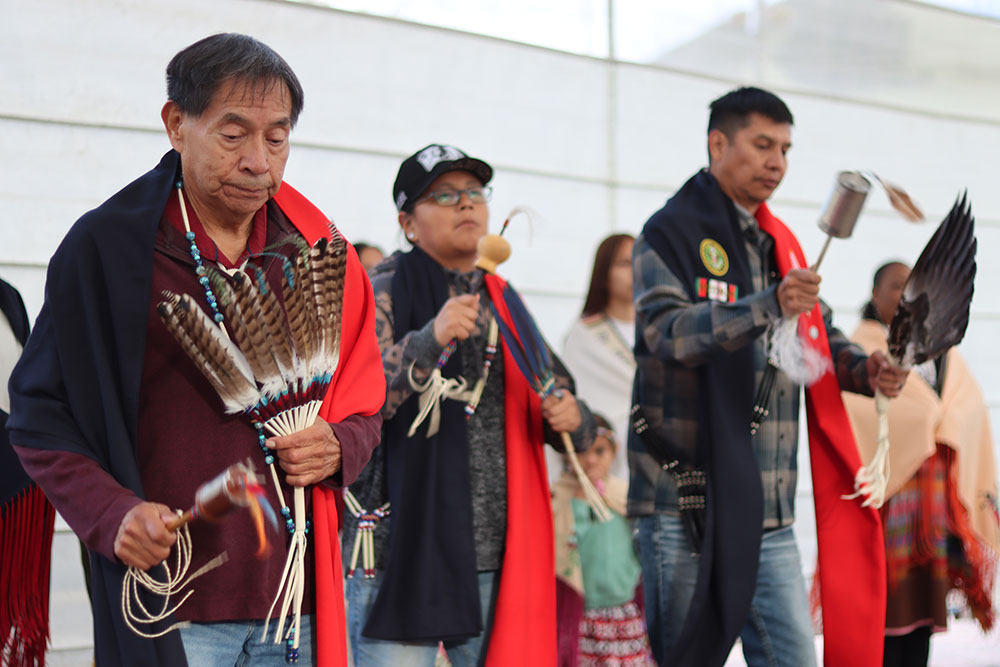
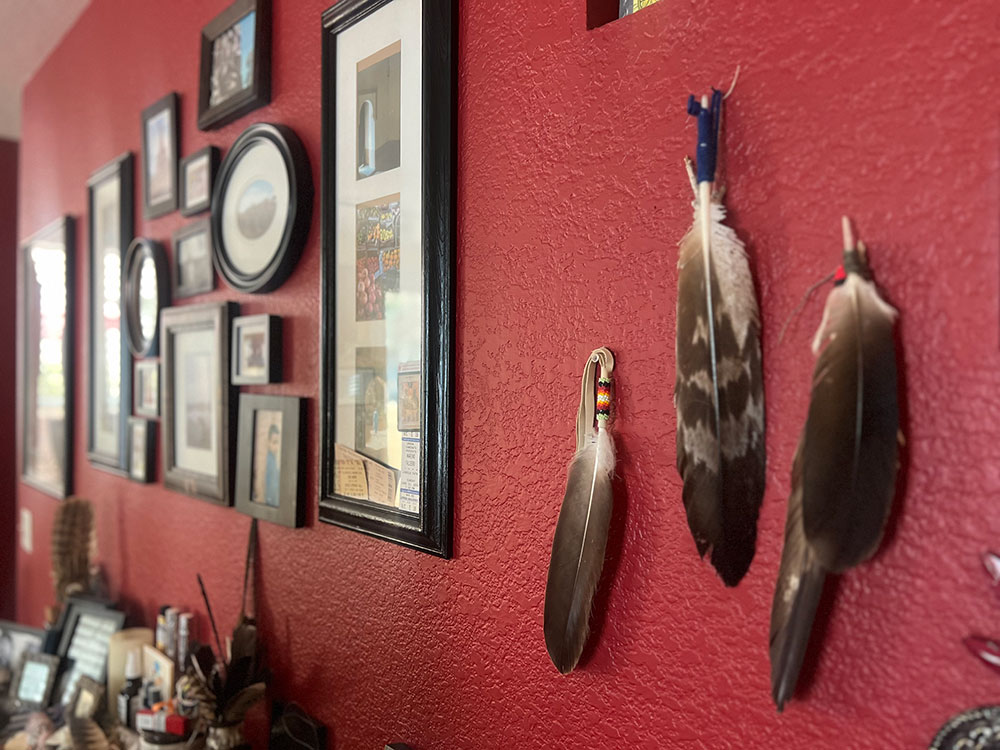
Repatriation is not only about the physical return of stolen Native bodies and sensitive cultural heritage, but also about restoring balance and honoring the diverse living cultures and spiritual traditions of Native Peoples. Many Native items remain outside United States borders and beyond the reach of domestic legislation, including in museums, universities, and private collections throughout the world.
Rather than focusing on costly databases, this strategy prioritizes relationship-building, transparency, and community-led processes that lead to return and healing.
OVERVIEW
Repatriation Strategy
The Association on American Indian Affairs' International Repatriation Strategy provides a long-term approach to help Native Nations bring Ancestors and cultural belongings home from institutions around the world. Before this process begins, the Association researches international laws, prioritizes institutional collections, and builds relationships with institutions. This work continues as new opportunities emerge. The phases below outline the collaborative process, the Association's role, and where Native Nations lead decision-making throughout.

PHASE 1

PHASE 2

PHASE 3
The Association will identify countries with laws, policies, or practices that support international repatriation. Research museums, universities, and other institutions that may hold Native Ancestors and belongings. Learn about each institution's collections, repatriation policies, and decision-making processes. Build relationships with institutions to encourage transparency and prepare for future repatriation discussions. Gather and organize information that can help Native Nations make informed decisions.
Native Nations may share information that may assist in identifying collections. Ensure the Association has current contact information for Native Nation leadership and cultural heritage or repatriation staff. Receive updates about institutions that may hold Ancestors or belongings connected to their Nation.
The Association’s Role
Association conducts research and relationship-building before claims begin, reducing the time and resources Native Nations would otherwise need to invest in identifying institutions and navigating international processes.
The Association will share information gathered about institutions and their collections with potentially affiliated Native Nations. Facilitate communication among Native Nations when multiple Nations may have an interest in the same collections. Provide information and resource materials to support informed decision-making. Coordinate coalition-building when requested by participating Nations. Respect each Nation's sovereignty and decision-making throughout the process.
Native Nations may pursue a repatriation claim independently. Join with other Nations in a coalition. Request additional consultation or information before making a decision. Decide not to pursue a claim at that time.
The Association’s Role
The Association supports communication, coordination, and information-sharing but does not determine cultural affiliation or make repatriation claims on behalf of Native Nations. Decisions about whether and how to pursue repatriation always remain with each Nation.
The Association will support participating Nations by providing claim templates and coordinating coalition submissions when requested. Maintain communication with institutions throughout the repatriation process. Encourage institutions to establish clear timelines and remain accountable throughout the process. Assist with planning for the return of Ancestors and belongings once repatriation has been agreed. Reduce the time, cost, and barriers involved in returning Ancestors and belongings home. Document lessons learned to strengthen future international repatriation efforts.
Native Nations may lead discussions with institutions regarding cultural protocols and the care of Ancestors and belongings. Determine how their Nation wishes to participate throughout the repatriation process. Work together with coalition partners while maintaining their own sovereignty and decision-making authority. Determine appropriate protocols for the return of Ancestors and belongings.
The Association’s Role
The Association works alongside Native Nations throughout the repatriation process, helping reduce administrative barriers, strengthen communication, and support successful returns. Decisions regarding repatriation are ultimately made by the holding institution, while decisions about cultural protocols and next steps remain with the Native Nations.
Join us in Restoring Connections
If you are a museum professional, university staff member, researcher, curator, institutional representative or individual collector caring for Native Ancestors, sacred items, or cultural heritage, we invite you to connect with our International Repatriation team.
We understand that institutions may have questions or concerns about repatriation, particularly when legal obligations are unclear. Our approach is grounded in open dialogue and collaborative learning. We seek to build understanding, not to assign blame, and invite you to engage with us in a spirit of mutual accountability and care.
About the Association
The Association on American Indian Affairs is the oldest national Native nonprofit protecting sovereignty, preserving culture, educating youth, and building capacity.